


USCIS Expands “High-Risk Country” Processing Holds: What the January 1, 2026 Policy Means for Immigrants
By, Anne Rowley, Counsel
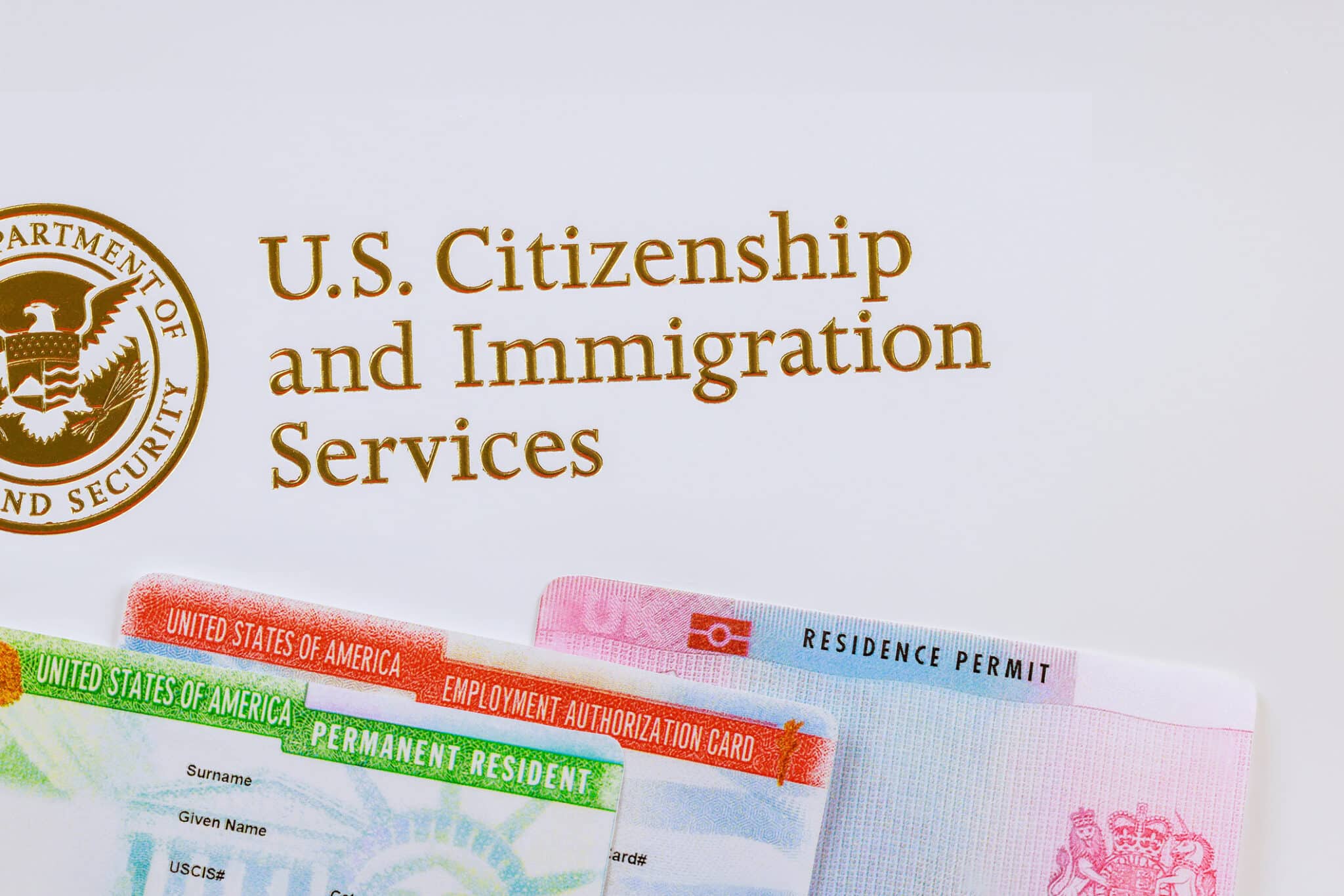
On January 1, 2026, U.S. Citizenship and Immigration Services (USCIS) issued a policy memorandum expanding its prior guidance on holding and re-reviewing immigration benefit applications filed by individuals from designated “high-risk” countries.
This policy builds on the earlier December 2025 guidance and aligns USCIS processing with newly expanded presidential travel restrictions that also took effect on January 1, 2026.
Below is what applicants, their families, and employers need to know.
What Changed on January 1, 2026?
USCIS has expanded the list of countries whose nationals may be subject to:
- A pause (“hold”) on processing of pending immigration benefit applications
- Enhanced security and background review
The expansion increases the affected group to individuals who either are citizens or nationals of, or were born in any one of 39 countries, plus individuals traveling on Palestinian Authority–issued or endorsed travel documents.
Importantly, this is not a blanket denial policy, but it does significantly slow or suspend processing for many applicants.
Full List of Affected Countries
Original 19 High-Risk Countries (from 2025 policy)
- Afghanistan
- Burma (Myanmar)
- Chad
- Republic of the Congo
- Equatorial Guinea
- Eritrea
- Haiti
- Iran
- Libya
- Somalia
- Sudan
- Yemen
- Burundi
- Cuba
- Laos
- Sierra Leone
- Togo
- Turkmenistan
- Venezuela
20 Additional Countries Added Effective January 1, 2026
- Angola
- Antigua and Barbuda
- Benin
- Burkina Faso
- Côte d’Ivoire (Ivory Coast)
- Dominica
- Gabon
- The Gambia
- Malawi
- Mali
- Mauritania
- Nigeria
- Niger
- Senegal
- South Sudan
- Syria
- Tanzania
- Tonga
- Zambia
- Zimbabwe
Additional Designation
- Individuals using Palestinian Authority–issued or endorsed travel documents
How the Policy Applies:
If you are already in the U.S. and filed for an immigration benefit (such as adjustment of status, asylum, TPS-related benefits, work authorization, or naturalization):
- Your application will likely be placed on hold
- Biometrics and interviews may occur, but final decisions are likely to be delayed
- Work authorization renewals may still be processed, but delays are possible
- Travel outside the U.S. is extremely risky, even for those with advance parole,
- There is a significant likelihood that affected individuals who depart the United States will be unable to return—we strongly suggest consulting with knowledgeable immigration counsel prior to travel
This applies even if:
- You entered the United States lawfully
- You are currently in the United States lawfully
- You have lived in the U.S. for many years
- You are married to a U.S. citizen or employed by a U.S. company
If you are abroad (e.g., immigrant visa or fiancé visa processing):
- Visa issuance may be paused or denied under travel restrictions
- USCIS may approve a petition (such as an I-130 or I-140), but consular processing may stall
- Waivers may be required, but approval standards are high
In many cases, the petition and the visa process move at different speeds, creating uncertainty.
What Types of USCIS Benefits Are Affected?
The policy applies broadly to benefits processed by USCIS, including:
- Adjustment of Status (Form I-485)
- Asylum applications
- Most Employment Authorization Document (EAD) applications
- Advance Parole and travel document applications
- Naturalization applications (Form N-400)
- Family-based and employment-based petitions on behalf of affected individuals
- Refugee-related benefits
Please note: Already-pending cases are subject to the heightened review and previously approved cases may be re-opened and re-reviewed. There is a list of limited exceptions to the adjudication hold; please consult with our team to determine whether any such exception may apply to your situation.
Key Takeaways
- The USCIS memo does not prevent filing of benefit requests, but it is likely to result in a significant slowdown in processing
- Nationality now plays a larger role in USCIS processing timelines
- Being inside the U.S. does not exempt an individual from holds
- Delays do not necessarily mean denial, but patience and planning are critical
What Applicants Should Do Now
- Do not assume normal processing times apply
- Avoid international travel
- Prepare for longer waits and possible requests for evidence
- Plan far in advance to reduce the possibility that there will be an interruption in your employment eligibility or a violation of your immigration status
- Consult an immigration attorney before filing, traveling, or withdrawing applications
www.grossmanyoung.com | info@grossmanyoung.com | (240) 403-0913 | (301) 917-6900
*Disclaimer: This information is presented for the purposes of general education and does not constitute legal advice.
